Regional Food Etiquette in Japan: What to Do and What to Avoid
A regional guide to Japanese dining etiquette — from Tokyo sushi counters to Fukuoka yatai — covering the mistakes to skip and the local habits worth copying.
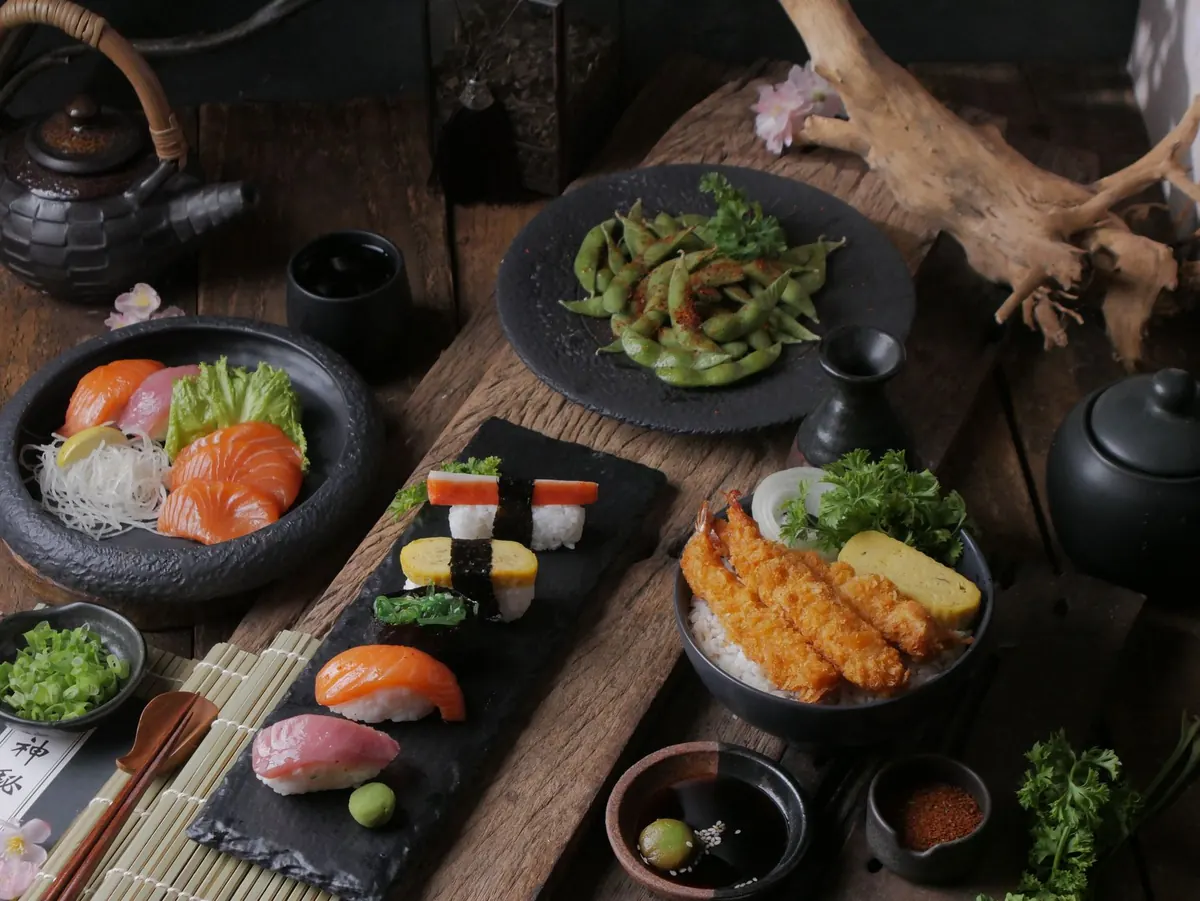
You take a seat at a six-person counter somewhere narrow and warm. The chef nods, slides a hot towel across the wood, and says one word. Everything after that depends less on national rules than on local habit. Japan's table manners are not a single rulebook; they are a dozen regional dialects of the same courtesy. Most visitor mistakes are small — a chopstick gesture borrowed from home, a broken takoyaki ball on your tongue — and they are almost always forgiven. But knowing what changes from Osaka to Kyoto to Sapporo makes you a better guest, and it usually gets you better food.
The Rules That Travel With You
A few habits hold across the country. Say itadakimasu before you start and gochisousama deshita when you finish; even a quiet mumble under your breath is noticed and appreciated. The hot towel (oshibori) is for your hands, not your face or the table. And there is no tipping anywhere — leaving coins can genuinely confuse a server, who may chase you down the street to return them.
In an izakaya, a small dish may appear before you order. That is otoshi, a table charge rather than a gift, and it is normal. Pour for the people around you, but never fill your own glass; someone will notice the empty cup and return the favour. Chopstick rules matter most, because the wrong one can carry an unintended meaning:
- Never stand chopsticks upright in rice — that looks like a funeral offering.
- Never pass food from your chopsticks to someone else's; it mirrors a funeral ritual.
- Don't spear food like a fork or gesture with chopsticks in the air.
- Don't rub disposable chopsticks together — it implies the shop bought cheap ones.
- Lay them down on the rest (or the edge of your dish) when you finish, not across your bowl if a rest exists.
Tokyo and Kanto: Quiet Counters, Fast Bowls
At a sushi counter, order with your eyes first: watch how the person beside you eats. Nigiri is designed as one bite, so don't halve it. Dip the fish, not the rice, into soy sauce, and do it lightly — the rice soaks up salt and collapses. Wasabi mixed into the soy dish is common at home and quietly frowned on at serious counters; the chef has already seasoned each piece.
Eat nigiri promptly after it is placed in front of you. Letting it sit defeats the temperature work the chef just did. Photographs are fine of your own food; ask before pointing a lens at the chef or at other customers, and look for a posted sign saying no photography.
Down the same street, a standing soba bar rewards a different kind of politeness: eat standing, keep your bowl on the counter rather than in your hands, and don't linger at peak lunch hour. And if you order monjayaki, that soupy Tokyo cousin of okonomiyaki, you eat it in small scraped-off bites with a tiny spatula straight from the griddle. Nobody expects you to be neat.
Kansai: Osaka Cheers, Kyoto Listens
Osaka runs on appetite, and its etiquette is mostly about appetite safety. A takoyaki ball straight off the griddle is molten inside; poke it, wait a moment, and don't pop a whole one in your mouth unless you enjoy the consequences. At an okonomiyaki restaurant, the pancake lands on the griddle in front of you and you cut bites with the small spatula, eating straight from the hot plate. Ordering dry sake and conversation is standard.
In Kuromon market and Nishiki in Kyoto, a rule has tightened in recent years: eat what you bought at the stall that sold it, not while drifting through the arcade. Many shops now post signs asking customers to stay in front of the counter or use a standing table.
Kyoto eats more quietly and seasons more lightly. Its cuisine leans on dashi and usukuchi, a paler soy sauce that adds salt without darkening the broth. Douse your udon before tasting and you may earn a gentle look. Taste first, then adjust. Many pequeña counters run by one or two people also expect a reservation or a set menu; asking for a table for one at 7pm on a Saturday may simply not be possible.
Nagoya and the Miso Belt
Nagoya has its own food religion and its own procedure. Order hitsumabushi, the grilled eel on rice, and the server will explain the four-stage ritual:
- Divide the eel and rice into four portions in your bowl.
- Eat the first plain, to taste the eel and the lacquer-thin glaze.
- Eat the second with the scallions, wasabi and nori on the side.
- For the third, pour the dashi over the rice and eat it like a savoury tea.
The fourth portion is yours — eat it whichever way you liked best. There is no wrong answer, and the staff genuinely enjoy hearing which one you chose.
Tebasaki, the soy-and-pepper chicken wings, are eaten with your fingers, and bones go in the provided dish or bucket, not back on the shared plate. Meanwhile, miso katsu arrives pre-sauced with a thick red miso glaze. Adding more soy sauce won't insult anyone, but you'll miss the point.
Kyushu and Okinawa: Long Nights, Shared Plates
Fukuoka's yatai stalls are social micro-spaces. The etiquette is simple and non-negotiable: order a drink and a dish or two, take only the seat offered, and don't stay for three hours on a busy night. Pay as the food arrives or when you leave, whichever the stall prefers. Photograph your ramen, not the strangers beside you. Locals are warm here, but the space is small and turnover matters.
This is shochu country. In Kyushu, shochu is commonly pre-diluted with water (maewari) or served with hot water (oyuwari) and sipped slowly with food. Treating a shochu like a shot is a fast way to look like a tourist — and to have a rough morning. In Okinawa, awamori is likewise sipped with water and ice over long evenings, chanpuru arrives to be shared, and the tempo is unhurried. Bring a small appetite for conversation.
The North: Hokkaido and Tohoku Portions
Hokkaido is generous, informal and seafood-driven. Sapporo runs on miso ramen, Hakodate on salt broth, Asahikawa on soy — slurping is normal everywhere and signals you're enjoying the bowl. At a jingisukan grill, dip meat in the sauce after cooking, never before; raw meat in the shared tare contaminates it for the next diner.
Further south in Iwate, wanko soba turns eating into a game: the server drops a small mouthful into your bowl every time you finish, and you keep pace. There is no count to beat for a visitor. When you're done, put the lid on your bowl — that is the signal, and the bowls stop coming.
A Short Checklist Before You Sit Down
- Learn two phrases: itadakimasu and gochisousama deshita.
- Watch one person eat one thing before you improvise.
- Ask how to eat it: Kore wa dou yatte tabemasu ka?
- Eat market food at the stall, not on the move.
- Don't tip, don't pour your own sake, don't stab with chopsticks.
- Match the pace of the room — fast at a standing bar, slow at a counter.
Nobody expects a visitor to get everything right, and a cheerful sumimasen while you point at what you want will carry you through most of it. The only real error is treating local habits as a test to pass. Eat what's in front of you, say thank you, and let the room teach you the rest.