

Cinque Terre or Amalfi Coast? A First-Timer's Comparison
A practical side-by-side look at the Cinque Terre and the Amalfi Coast — crowds, hiking, beaches, and transport — to help first-timers pick the right one.
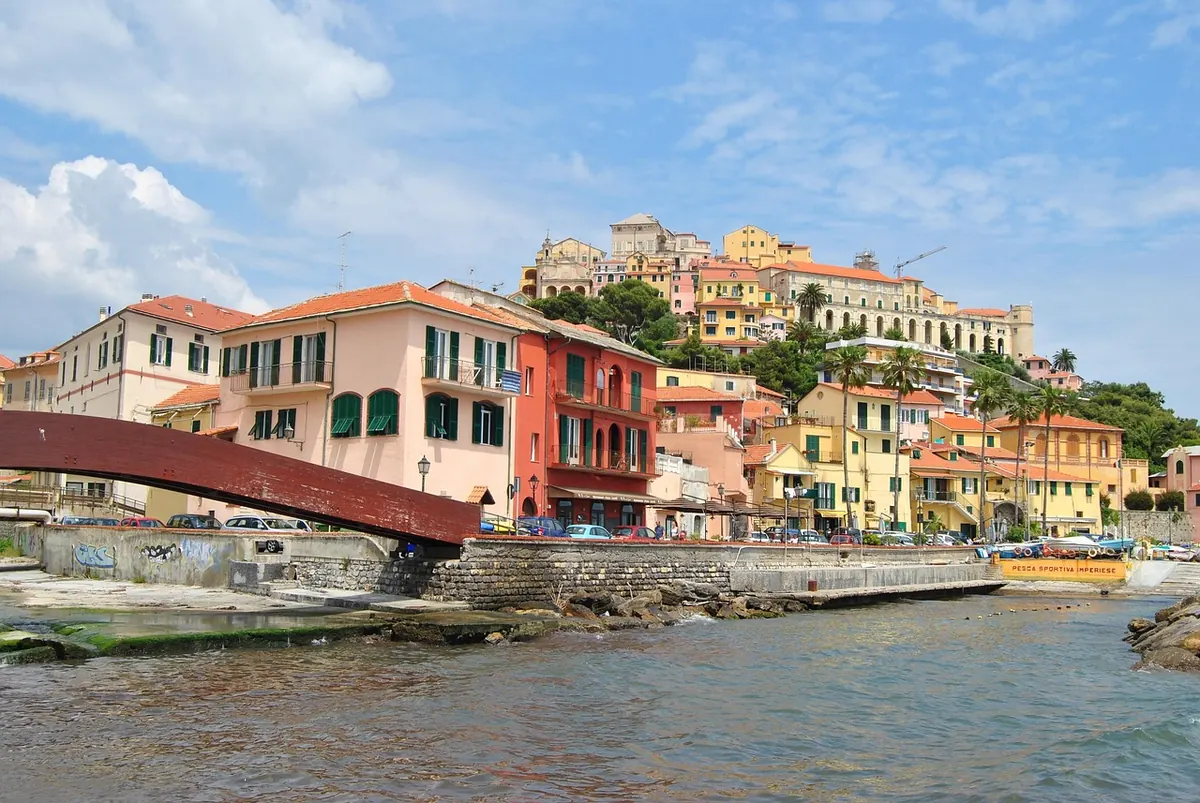
Pick the Cinque Terre and you get five pastel villages pinned to a Ligurian hillside, linked by a short train ride and a trail through vineyards. Pick the Amalfi Coast and you get a longer, grander stretch of cliff road, lemon groves, and towns that spill down to the water in layers. Both are UNESCO-listed, both are photographed endlessly, and both can be either wonderful or exhausting depending on how you plan the days. What really separates them is scale: the Cinque Terre is a compact, car-free cluster you can walk between; the Amalfi Coast is fifty-odd kilometres of coast where getting from A to B is part of the trip.
The short version
If you have two or three nights and want villages, trains, and hiking straight from your door, choose the Cinque Terre. If you have four or more nights, want a base plus boat trips, and don't mind planning transport, choose the Amalfi Coast. The Cinque Terre suits walkers and train travellers; the Amalfi Coast suits people who like a bit of glamour with their swim stops and are happy to build a day around a ferry timetable.
- Cinque Terre: five villages, no cars in the centres, short train hops, terraced trails, small coves.
- Amalfi Coast: a dozen towns of different characters, a dramatic cliff road, ferries in season, sandy beaches at Minori and Maiori.
- Time needed: two to three nights in the Cinque Terre; four or five on the Amalfi Coast if you want to see it without rushing.
Crowds: the same wave, a different rhythm
Both places are busy for the same reason: they are easy day trips. In the Cinque Terre, tour groups and cruise passengers arrive from La Spezia and Florence mid-morning and leave by late afternoon. Between roughly 10am and 4pm, Vernazza's single main street and the station squares can feel like a queue with scenery. The fix is simple and well known to anyone who has been: sleep there. Early mornings, when the fishermen are out and the bakery shutters are still coming up, and evenings after the last train leaves, are the reason to stay.
The Amalfi Coast spreads its crowds over more ground, but it concentrates them hard in Positano and Amalfi. The coast road jams in high season, and the buses that run along it fill up fast. Positano's beach and the steps down to it are at their worst in July and August. Move one town over — Praiano, Minori, Maiori, Ravello — and the atmosphere changes completely. The park has also tightened access on the busiest Cinque Terre trail sections in recent years, so check current rules before assuming a route is open to all comers.
Hiking: vineyard terraces versus high cliffs
The Cinque Terre's famous coastal path, the Sentiero Azzurro, is a series of short village-to-village sections, each roughly an hour or two of stone steps through terraced vineyards. The level of effort varies a lot between sections, and landslides have closed stretches for years at a time — the Via dell'Amore between Riomaggiore and Manarola reopened after long repairs, but always confirm locally. Higher, free trails above the villages are quieter and often prettier, though they add climbing. Expect uneven steps, little shade in places, and a paid pass for the coastal route, usually bundled into the Cinque Terre Card with train travel.
The Amalfi Coast's signature walk is the Path of the Gods, from Bomerano in Agerola to Nocelle above Positano: around three hours, exposed, with huge views along the coast. Start early, carry more water than you think you need, and take the bus up to Bomerano rather than trying to walk up from the sea. Easier options include the Valle delle Ferriere above Amalfi, which is cooler and greener, and the old mule tracks between Ravello and Amalfi.
A word about knees
Both destinations are built on slopes, and both punish anyone carrying a heavy suitcase up a staircase. Downhill steps are harder than uphill ones after a few days. Pack light, bring shoes with real grip, and if you are choosing between two hotels, ask how many steps there are from the nearest road.
Beaches: sand, pebbles, and rocks
Cinque Terre swimming is mostly about rocks and small coves. Monterosso has the only proper sandy beach of the five, with a mix of beach clubs and free areas. Vernazza has a small, sheltered sandy cove that fills quickly. Corniglia has no beach but a swimming spot below the village reached by steps; Manarola and Riomaggiore both have rocky places to jump in. The water is clear and the entry is often stony, so swim shoes help.
On the Amalfi Coast, Positano's Spiaggia Grande is pebbly and busy, with quieter Fornillo a short walk around the headland. Amalfi's Marina Grande is convenient rather than beautiful. For actual sand, head to Minori or Maiori, which are flatter, more family-friendly, and less photographed. Boat trips to coves and to Capri are the real luxury here — book ahead in high season, and remember that ferries and small boats stop in bad weather.
Logistics: trains versus buses and ferries
This is where the two diverge most.
- Cinque Terre: park outside the villages — La Spezia, Levanto, or the lots at Monterosso — and use the regional train, which runs frequently in season and takes minutes between stops. Seasonal ferries link several villages. The Cinque Terre Card covers train hops and trail access; check which version you need.
- Amalfi Coast: most people fly into Naples, then take a private transfer, a ferry from Salerno or Sorrento, or the SITA bus. Buy bus tickets at a tabaccheria or newsstand before boarding and validate them. Ferries run roughly April to October. Towns have limited-traffic zones, so driving yourself in summer is a stress you don't need.
Suggested bases
In the Cinque Terre, Monterosso is the flattest and has the beach; Riomaggiore and Manarola are prettiest but steep; Levanto and La Spezia are better value and well connected. On the Amalfi Coast, Amalfi is the transport hub, Positano is the postcard, Praiano is the quiet middle, Minori and Maiori have sand, Ravello has views without a beach, and Sorrento works as a fixed base with easy connections.
Which one fits your trip
Choose the Cinque Terre if you want to arrive, drop the car, and spend three days walking between villages with a swim in the afternoon. Choose the Amalfi Coast if you want a single base with day trips, boat rides, a mix of beach and sightseeing, and don't mind checking a bus schedule. If you have ten days, doing both is possible by train via Genoa, La Spezia, Rome, and Salerno — but give each at least three nights, or you'll spend the whole time in transit.
Practical notes before you book
May, June, September, and early October give you warm water, open ferries, and trails that aren't jammed. July and August bring heat, crowds, and the highest accommodation demand; book villages and coastal towns months ahead, and be realistic about midday hiking in high summer. Pack light, bring grippy shoes and a refillable bottle, and check trail and ferry status a day or two before you rely on them, since closures and weather changes are normal. And wherever you stay, plan at least one early morning and one late evening outdoors — those are the hours both coastlines are still worth crossing an ocean for.
Photo: atimexobomb / Pixabay