



Jet Lag vs. Travel Fatigue: What Causes Each and How to Recover
Jet lag and travel fatigue feel alike but have different causes. Here's how to tell them apart and a practical plan for recovering from each.
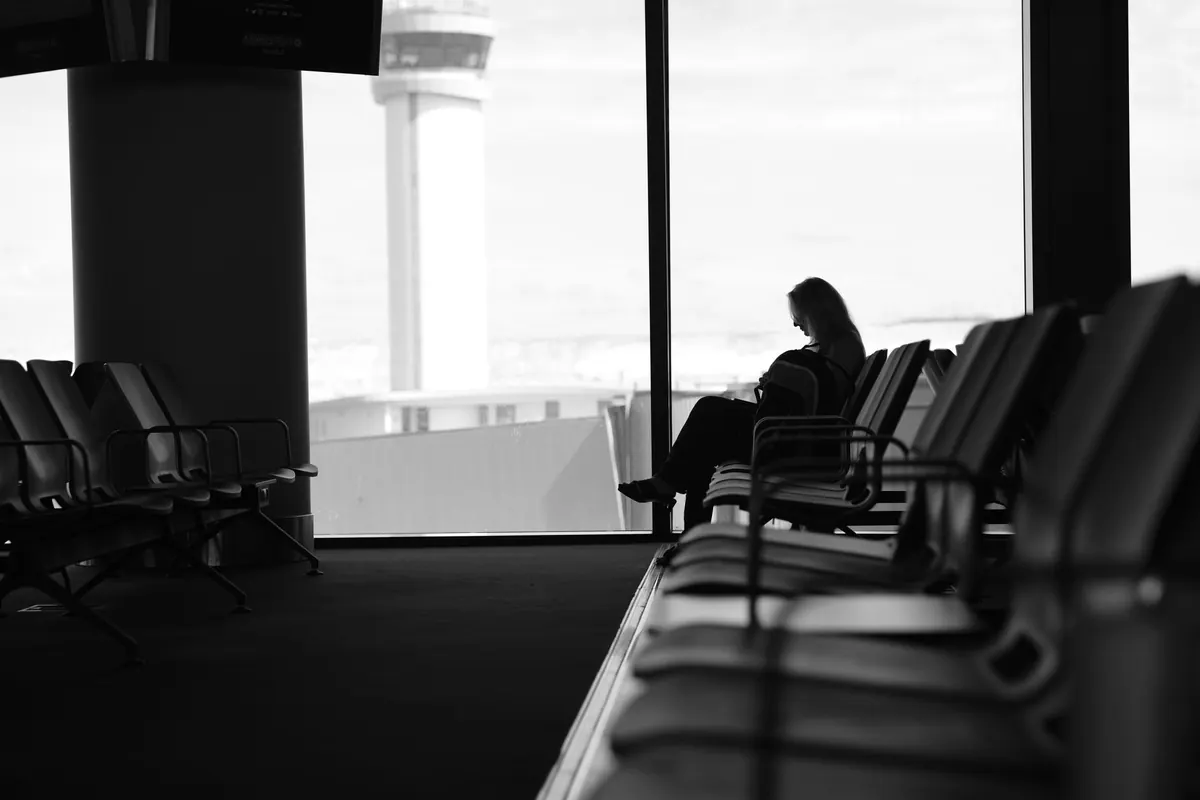
It's seven in the morning at your destination. The airport bus smells of diesel and someone else's coffee, you've slept maybe three hours in a seat that barely reclined, and your body is firmly convinced it's midnight. You feel awful — but jet lag may only be half the reason.
Two things usually arrive with you after a long trip: a body clock pointing at the wrong time, and a body worn out by the effort of getting there. They overlap, they feel similar, and they respond to different treatment. Get the distinction right and you'll spend less of your first days abroad staring at the ceiling.
The Difference in One Sentence
Jet lag is a timing problem. Travel fatigue is a depletion problem.
Jet lag comes from crossing time zones faster than your internal clock can follow. Your rhythm — sleep, alertness, hunger, even body temperature — stays anchored to the place you left, so your body keeps running the old schedule while the world around you has switched to a new one.
Travel fatigue is the accumulated cost of the journey itself: the 4 a.m. alarm, the security queue, the dry cabin air, the sandwich eaten standing up, the bag hauled across two train platforms. It needs no time change at all. Fly from Rome to Helsinki in winter — same time zone, still wrecked — and you'll have pure travel fatigue with no jet lag in sight.
What Actually Causes Jet Lag
Your circadian rhythm runs on a cycle close to, but not exactly, 24 hours, and light is the strongest signal that keeps it aligned. Bright light in the morning nudges the clock earlier; light in the evening pushes it later. When you fly, the daylight around you suddenly disagrees with the clock in your head, and the clock takes days to catch up. Many people shift by roughly an hour a day, some a little more, some less.
Direction changes the difficulty
Flying east is usually harder than flying west. Head east and you lose hours: you have to fall asleep earlier and wake earlier than your body wants, which fights its natural tendency to drift late. Head west and you gain hours — you're asking your body to stay up longer, which is generally an easier request. It's a tendency rather than a rule, though. Night owls often find eastward trips less brutal than early risers do.
What makes it worse
Crossing more zones, arriving already exhausted, alcohol on the plane, cabin lights at strange hours, and a first morning scheduled with a 9 a.m. meeting. Reaching for a heavy meal at midnight local time doesn't help either.
What Causes Travel Fatigue
Fatigue builds up quietly and rarely has a single cause. The usual contributors:
- Sleep debt collected in the days before you leave — packing late, an early taxi, a nervous night
- Hours of sitting, plus low cabin humidity that leaves you mildly dehydrated
- Meals at random hours, or skipped entirely, with too much coffee standing in for food
- Noise, crowding and the low-level vigilance of finding gates in an unfamiliar airport
- Decision fatigue: which platform, which ticket, whether the taxi is a rip-off
- The physical load of bags, stairs, and standing in line for an hour
None of those is dramatic on its own. Together they empty the tank, and the tank doesn't refill the moment you land. That's why a two-hour flight with a 5 a.m. start can leave you flatter than a nine-hour flight you actually slept through.
How to Tell Which One You Have
A quick self-check, ideally on the first evening rather than at 3 a.m. when everything feels catastrophic:
- Your sleepiness and hunger follow the old time zone. You're wide awake at 2 a.m. and ravenous at 4 p.m. That's jet lag.
- You crossed few or no time zones and still feel flattened. That's fatigue.
- You slept reasonably on local time but feel heavy, headachy and slow. Probably dehydration and sleep debt rather than a confused clock.
- It peaks in the first two or three days, then lifts. Typical jet lag. If you still feel drained a week later, you're likely running on empty rather than misaligned.
Most long-haul arrivals have both at once, which is why the first day can feel so disproportionate. Treat them in the right order: the basics first, then the clock.
A Recovery Plan for Jet Lag
Before you fly
In the two or three days before departure, shift your bedtime a little toward your destination's schedule — earlier if you're flying east, later if you're flying west. An hour is enough; you're giving the clock a head start, not resetting it. If you have a choice of flights, one that lands in the afternoon or early evening makes the first day easier, because you only need to stay awake until a reasonable local bedtime.
On arrival
- Get outside into daylight. If you've flown east, aim for morning light; if you've flown west, late-afternoon and evening light helps. Daylight is the single most useful lever you have.
- Eat at local meal times, even if you're not hungry. Portions can be small. Regular meals are a signal, not just calories.
- Stay up until a normal local bedtime. It will be grim. Do it anyway, and avoid the tempting four-hour nap at five in the afternoon — it borrows sleep from the night at a terrible exchange rate.
- Keep alcohol light for the first couple of nights. It shortens sleep and makes the 3 a.m. wake-up sharper.
The first three nights
Make the bedroom as dark as you can and cut caffeine after early afternoon. If you wake at 3 a.m., don't lie there calculating how many hours are left; read something dull in low light until you're sleepy again. Melatonin is often used for jet lag, but timing and dose vary and it isn't suitable for everyone — worth a short conversation with a pharmacist or doctor rather than a guess.
If It's Plain Travel Fatigue
The fix here is less clever and more effective:
- Drink water first, before coffee or anything else.
- Eat a proper meal — vegetables, protein, something that isn't from a vending machine.
- Shower and change clothes. It sounds trivial; it rarely is.
- Take one short nap, twenty to twenty-five minutes, before mid-afternoon if you can manage the timer.
- Walk outside for ten minutes. Daylight plus movement does more than another coffee.
- Unpack. A bag on the floor keeps the trip feeling unfinished.
- Keep the first evening quiet. Don't stack a dinner, a show and a 6 a.m. start on the same day.
If you're back home and sleep stays broken for more than a couple of weeks, or you feel unwell in a way that doesn't match this picture, see a doctor rather than pushing through.
The Short Version
Jet lag responds to light, timing and patience; travel fatigue responds to water, food and rest. If you're dealing with both — and after a long eastward flight you almost certainly are — do the boring things first. Hydrate, eat, sleep a normal night, get outside in the morning. The clock will follow within a few days, and you'll have a better trip while it does.
Photo: Berk Aktas / Pexels