Lake Como in November: What to Expect and What to Skip
November on Lake Como means fog, empty ferries and closed gardens — plus cheap rooms and the quietest walks of the year. Here's what works and what doesn't.
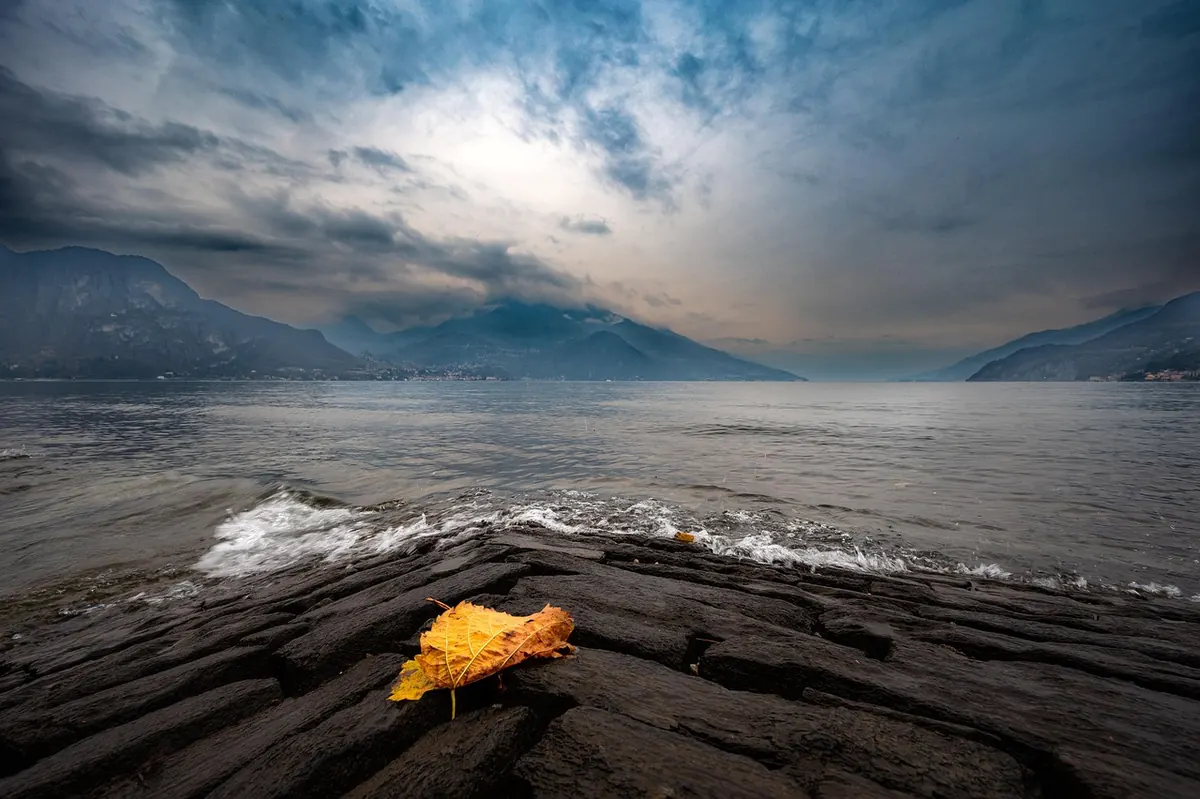
November strips Lake Como back to its bones. The boats thin out, the big gardens lock their gates, and the villas that anchor every summer itinerary go quiet for the season. What's left is the lake itself: flat grey water, fog that lifts around eleven, woodsmoke from the hill villages, and restaurant tables you can actually book. It's a fine month for walking, eating and looking out of windows, and a poor month for ticking off the list you saved in July. Here is what genuinely works, and what to leave for another year.
The weather, without the brochure
Expect daytime highs of roughly 10–12°C on the lakefront and nights down to 4–6°C. Brunate, the village above Como reached by funicular, sits around 700 metres up and runs several degrees colder; it can be sitting in cloud while the town below is clear. Snow on the shore is rare but not unheard of, and snow on the Grigne and the higher trails is normal from mid-November.
Rain is the part nobody mentions. November is one of the wetter months in this corner of Lombardy, and fronts can hang around for a day or two rather than blowing through in an hour. Fog is the other signature: it forms overnight on the lake, sometimes thick enough to hide the opposite shore, then usually burns off between ten and midday. A typical good day looks like this — murky start, a bright window from late morning, then a low golden light from about three o'clock. Sunset in mid-November is close to 16:50, so plan your walks and your photography around a very short afternoon.
The compensation is real. On the days the fog lifts, you get the Grigne and the Monte Rosa group appearing above a perfectly still lake, with maybe a dozen people on the whole promenade. That view is better than the July version, and you won't queue for it.
What's open, and what quietly shuts
This is where November trips go wrong, so it's worth checking each item the week before you travel rather than trusting a blog from 2019.
- Ferries and hydrofoils run all year, but the winter timetable usually starts in late October or early November: fewer departures, an earlier last boat, and thinner service on the fast routes and the long run up to the northern lake. Check the Navigazione Lago di Como timetable for your exact dates — it changes by period, not by month.
- Villas and gardens are the big casualties. Villa del Balbianello typically closes for the season in early November, and gardens such as Villa Melzi in Bellagio and Villa Carlotta in Tremezzo move to limited hours or shut entirely. Verify with each property before you build a day around it.
- The Como–Brunate funicular operates year-round on reduced hours, which usually means a shorter evening window. Go up in the morning for the view, not at dusk.
- Hotels and restaurants take seasonal breaks. Plenty of places in Bellagio and Varenna close for weeks in November, and staff holidays mean some family-run kitchens are dark. Book the room, then email the hotel for a list of what's actually serving.
- Reliably open: Como's Duomo and historic centre, the lakeside promenades, the Silk Museum in Como, the smaller churches, and the Greenway del Lago waymarked trail along the western shore.
One calendar note: 1 and 2 November are public holidays, and Italians take the long weekend. Ferries and popular restaurants fill up, then the lake empties again on the Monday. If you want solitude, arrive after that.
Where to base yourself
Como city is the safest November choice: trains from Milan, the most restaurants and shops open year-round, and the funicular on the doorstep. It's a working town, so it doesn't fold up when the season ends.
Varenna is the most atmospheric in bad weather — a tight knot of stone lanes, the ferry dock, and the Villa Monastero waterfront walk if the gardens happen to be open. Bellagio is beautiful and half-asleep; you'll find a handful of hotels and a couple of trattorias keeping the lights on, which suits some travellers and frustrates others. Menaggio is practical and central, with good ferry connections, and Lecco at the southern tip is underrated, quieter, and useful if you want Manzoni's hills rather than postcard villas.
What to skip in November
Being honest about the closed season is the whole point of going. Leave these for another trip:
- Garden-focused days. Villa Carlotta, Villa Melzi and the terraced gardens of Bellagio lose their reason for being in November. There's structure and evergreen interest, but not enough to justify a whole day.
- Swimming and boat hire. Lidos are shut, and the private boat rental desks along the shore pack up in October.
- Long cruises to the upper lake. Even when the boat runs, you're spending two hours on a cold deck, often in fog, to reach towns that are largely closed.
- High-altitude hikes and cable cars. Snow and ice arrive early, and the mountain refuges close. Stick to lakeside and low-hill trails, and ask locally about conditions.
- The five-villages-in-two-days plan. With an earlier last ferry and short daylight, two bases and a slow pace beat a crammed list every time.
A realistic three-day plan
- Day one — Como. Morning walk along the lakefront and through the old town, the Duomo, then the funicular up to Brunate while the light is best. A short walk to the Volta lighthouse area if the path is clear, back down for lunch. Afternoon in the Silk Museum or simply drifting between cafés. Aperitivo at five, dinner in town.
- Day two — mid-lake. Ferry to Varenna in the morning, wander the lanes and the waterfront, cross to Bellagio for lunch and a walk out to the tip of the promontory, then back via Menaggio if connections allow. Check the return times before you leave in the morning — this is the day the winter timetable matters most.
- Day three — the western shore. Walk a stretch of the Greenway del Lago from Colonno towards Griante, roughly three to four hours end to end with detours, or pick one section and take the bus back. Lunch in a village trattoria. Finish in Tremezzo for the view across to Bellagio.
If it rains
Swap the walking day for Como's museums and a long lunch, or take the train to Milan for the day — an hour each way, and the Duomo and the Brera are open regardless of the weather. Keep one flexible day in the plan instead of booking every hour.
Pack and time it right
Layers beat a heavy coat: a waterproof shell, a warm mid-layer, and shoes with grip. Lakeside stone and the ferry gangways get slick, and the Greenway's cobbled sections are worse in the wet. Bring an umbrella and something to keep a camera dry — the flat light is lovely for portraits and moody water shots, and terrible for long-distance views of the mountains.
Book accommodation late rather than early. November rates along the lake are a fraction of summer prices, and there's no scarcity outside the first weekend. What you should book ahead is the one restaurant you care about, since a reduced number of open kitchens serves everyone in town.
Go for the quiet, not the checklist
November rewards travellers who want the lake rather than the lake's attractions. You'll walk empty promenades, eat well for less, and see a side of Como that summer visitors never do. You'll also drink a certain amount of coffee waiting for fog to clear. If a garden tour and a sunlit boat ride are the point of your trip, come back between April and October. If you'd rather have the place to yourself, this is your month — just check the ferry timetable and the villa websites before you go, and keep one day loose.
Photo: GPoulsen / Pixabay