10-Day Northern Italy Itinerary by Train Without a Car
A car-free ten days through Milan, Verona, Venice, Bologna and Turin, with honest train times, luggage advice and enough slack for delays.
Ten days, five cities, no rental car. Northern Italy rewards travellers who let the train do the work: the historic centres are compact, the stations sit close to the old town, and the hops between Milan, Verona, Venice and Bologna are short enough that you lose an afternoon rather than a day in transit. This route runs east across the plain and then back inland, keeps every leg under about two and a half hours, and builds in the kind of slack that stops a delayed train from ruining a dinner reservation.
The route at a glance
Below is the spine of the trip, with realistic times rather than the optimistic ones on a booking screen. Door-to-door — station to hotel — add twenty to thirty minutes per hop for walking, ticket checks and finding the right binario.
- Days 1–2, Milan. Arrive, recover, one full day in the city.
- Day 3, Verona. About 1h15 by Frecciarossa from Milano Centrale.
- Days 4–5, Venice. 1h10 from Verona Porta Nuova on a fast train, closer to 1h40 on a regionale.
- Days 6–7, Bologna. 1h25 from Venezia Santa Lucia, with Modena as a day trip.
- Days 8–9, Turin. 2h20 from Bologna Centrale.
- Day 10, back to Milan Malpensa. Roughly 2h15 with a change in Milan.
If five bases sounds like too much unpacking, cut Turin and give the extra nights to Venice and Bologna. The trip loses nothing and gains a slower morning or two.
Days 1–2: Milan, the hinge of the trip
Most long-haul flights land at Malpensa, and the Malpensa Express is the calm way in: about fifty minutes to Milano Centrale, forty to Cadorna. Cadorna drops you nearer the Duomo, so pick your route by where you're sleeping rather than by habit. Buy the ticket at the machine or in the app before you board; there's no advantage in queueing at a desk.
Use the first afternoon for nothing more ambitious than a walk. Milan rewards aimless wandering more than most Italian cities: out of the Duomo, through the Galleria, along Via Dante, and into the Castello Sforzesco park before dinner in Brera.
What to actually do with one full day
Book the Duomo terraces for early morning, when the light is good and the queues are short, and note that Leonardo's Last Supper needs reserving well ahead — visits are timed and groups are small, so it is not something to leave to the week before. After lunch, the Pinacoteca di Brera if you want paintings, or the Navigli canal district if you want a long aperitivo. Both are correct answers.
Day 3: Verona, a compact one-nighter
The morning fast train from Centrale takes about seventy-five minutes. Verona Porta Nuova is a fifteen-minute walk from the historic centre, or a short bus ride if you're hauling a suitcase over cobbles. Drop bags at the hotel or in the station's left-luggage office and travel light for the afternoon.
Verona is genuinely small — you can cross the old town on foot in twenty minutes. Pintxos of a plan: the Arena, Piazza delle Erbe for the market, lunch near Piazza dei Signori, then Ponte Pietra and the climb to Castel San Pietro for the view back over the river. One night is enough here, and that's the point of putting it between Milan and Venice rather than making it a base.
If you'd rather have a lake
Swap this night for Varenna on Lake Como, an hour from Milano Centrale, and go straight to Venice the following morning. You trade Roman Verona for water and mountains; both versions work, but don't try to do both in one day.
Days 4–5: Venice, done slowly
Arriving at Venezia Santa Lucia and walking out to the Grand Canal is one of the great station exits in Europe. From Verona, fast trains take just over an hour. Take the vaporetto even if your hotel is walkable — the first ride down the canal is worth the ticket on its own.
Where to stay so you don't drag a suitcase over bridges
Venice is the only stop on this route where luggage genuinely changes the trip. Bridges have steps, and a hotel three calli deep in Castello can mean twenty minutes of lifting and cursing. Aim for somewhere within ten minutes of Santa Lucia or directly beside a vaporetto stop, and check the walking route on a map before booking. Water taxis exist but are a splurge; a day pass on the vaporetti will cover you for Murano, Burano and the outer islands.
Give the arrival evening to Cannaregio — a spritz in a campo, dinner away from the San Marco crush. The next morning, book the Doge's Palace and basilica for the earliest slot you can bear, then escape north. Burano is about forty minutes from Fondamente Nove on line 12; Murano is closer and easier if you're short on time.
Days 6–7: Bologna as a base
The run from Venice to Bologna takes about an hour and a half on a Frecciarossa, and the change of register is immediate: porticoes instead of canals, students instead of tour groups, and food that locals argue about. Piazza Maggiore, the unfinished façade of San Petronio, and the climb up the Asinelli tower (timed slots, book ahead) fill an afternoon comfortably. If you want the walk, the portico route up to San Luca is about three and a half kilometres and takes the best part of an hour and a half each way.
Modena in half a day
Regional trains to Modena take around twenty-five minutes, which makes it the easiest day trip of the trip. Go for the Romanesque cathedral, the market in the morning, and a long lunch. Ravenna, with its mosaics, is another option at roughly an hour and a quarter each way, but it deserves a full day rather than half of one.
Days 8–9: Turin, the underrated finish
Bologna to Turin is the longest leg here at about 2h20, and worth it. Turin is elegant and slightly melancholy, with arcaded streets, café culture built on vermouth, the Egyptian Museum, and the Mole Antonelliana with its cinema museum inside. It also feels like a real city rather than a stage set, which is a good note to end on. Fly home from Turin if you can, or take the fast train back to Milan and the Malpensa Express from there.
Luggage and tickets: the practical part
- Pack one wheeled cabin bag plus a backpack. Regional trains have small overhead racks, and you'll be lifting everything up steps at least a few times.
- Book hotels within ten minutes of the station on one-night stops. You'll see less of the neighbourhood and far more of the city.
- Use left luggage on transition days. Every station on this route has a deposito bagagli, which frees up the hours between checkout and departure.
- Reserve seats on the long legs. Bologna–Turin and Venice–Bologna are worth booking ahead on Trenitalia or Italo; regional trains can't be reserved and are cheap to buy on the day.
- Validate paper tickets. Digital tickets on your phone don't need it, but a paper regionale ticket does, in the machines on the platform.
- Build in twenty minutes of buffer at every station. Platforms change late, and stations like Milano Centrale and Bologna Centrale are big.
- Check for strikes a few days out. Italy has scheduled transport strikes, and both main operators publish notice of them in advance.
Before you book
Late April to June and September to early October give you the best weather for walking cities, and July and August are hot and crowded, especially in Venice and Bologna. Skip a rail pass; point-to-point tickets bought directly from the operators are simpler and often cheaper for a route this short. Reserve the big sights — the Last Supper, the Doge's Palace, the Asinelli tower — as soon as your dates are fixed, and keep a note of each hotel address offline in case your data runs out. Then leave a couple of evenings empty. The best parts of this trip tend to happen when the timetable isn't looking.
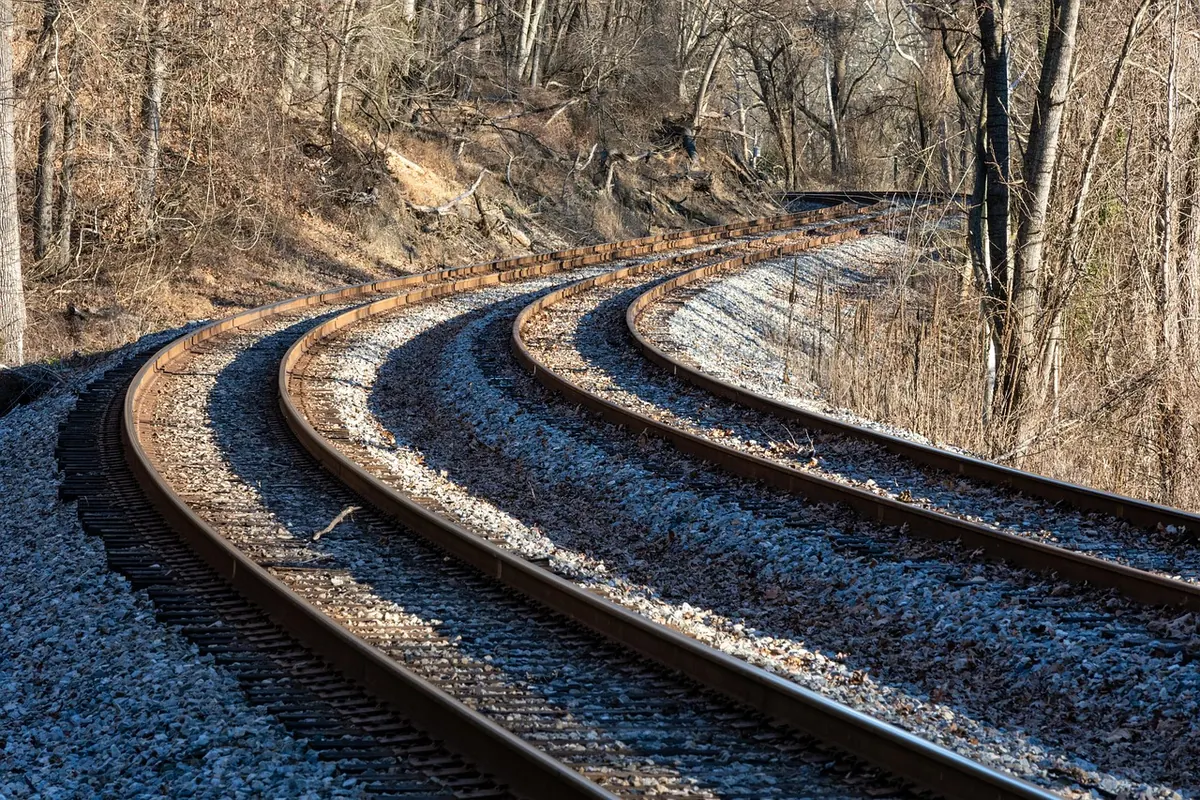
Photo: Trek_Jason / Pixabay